How Recovery Foods Help Athletes Heal Faster and Train Harder

Athletic performance isn’t only built during training. The hours after exercise matter just as much. Muscles are stressed, energy stores are depleted, and tissues need repair. This is where recovery foods step in. They supply the nutrients required to restore balance, reduce fatigue, and prepare the body for the next challenge. Without proper recovery nutrition, athletes risk slower progress and higher chances of injury, which is why this explainer on performance-based diets can be so valuable in guiding smart food choices.
Why Recovery Foods Matter
Recovery foods aren’t just a post-workout ritual. They are a core part of athletic performance. When consumed at the right time, they replenish glycogen, repair muscle fibers, and calm inflammation. This process not only reduces soreness but also ensures that athletes can return to training quickly. Skipping recovery nutrition means prolonging fatigue, weakening adaptation, and compromising long-term goals.
Protein and Muscle Repair
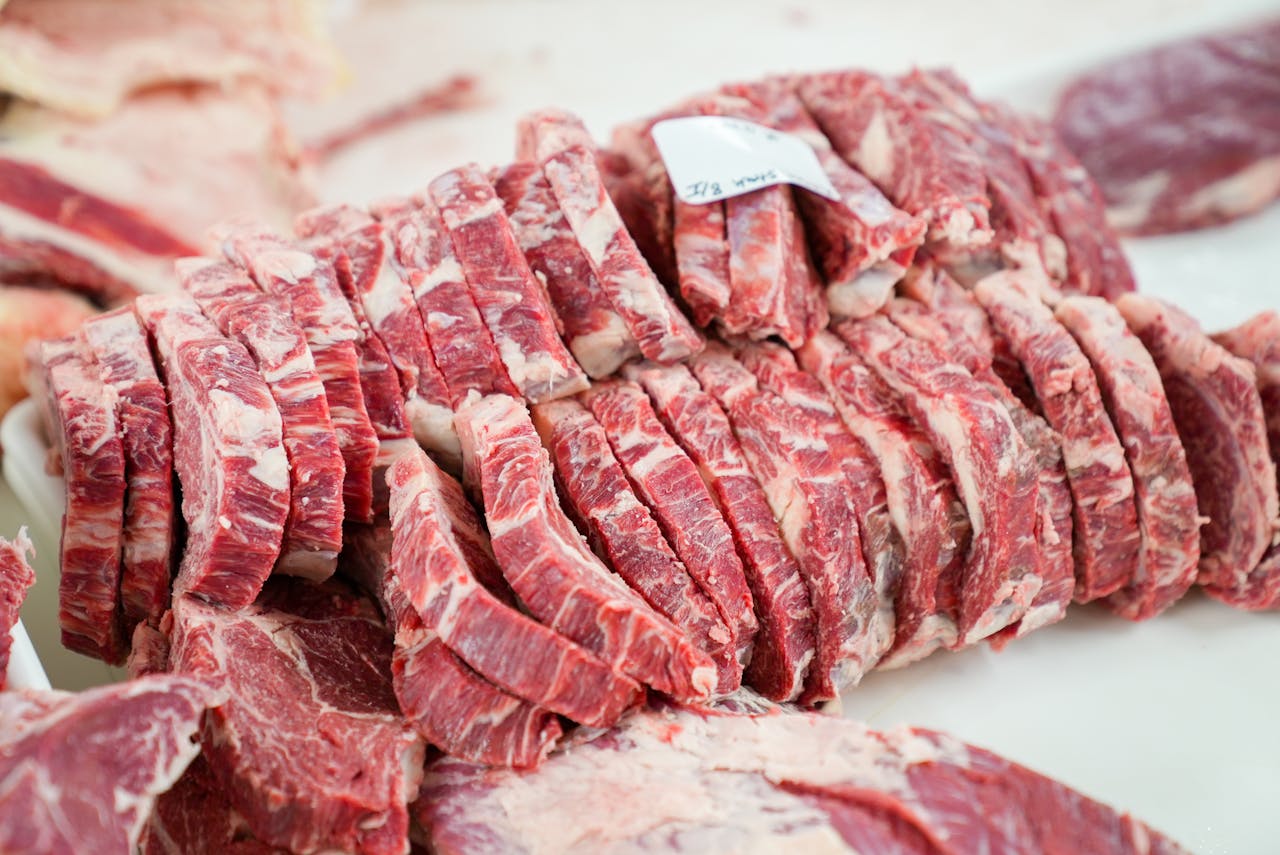 While carbs restore fuel, protein rebuilds structure. Intense exercise creates microscopic tears in muscle fibers. Protein supplies the amino acids needed to repair these tears and strengthen the tissue. High-quality sources such as lean meats, eggs, dairy, or plant-based proteins provide what the body needs to heal. This process not only prevents breakdown but also supports muscle growth over time.
The Role of Micronutrients
Beyond carbs and protein, recovery depends heavily on vitamins and minerals. Iron helps carry oxygen, magnesium supports muscle relaxation, and vitamin C assists in tissue healing. Even though they don’t provide calories, these micronutrients play a unique role in speeding up recovery and preventing fatigue. Athletes who neglect micronutrients often feel drained, even when their macronutrient intake seems sufficient.
Carbohydrates and Energy Restoration
Carbohydrates are the body’s main energy source during high-intensity exercise. Training drains glycogen reserves, and if they aren’t replaced, the next session feels harder than it should. Including carbs in recovery meals speeds up glycogen restoration, which is vital for athletes who train multiple times a day. Whole grains, fruits, and starchy vegetables provide both quick and sustained energy, making them ideal post-exercise choices.
Hydration and Electrolytes

Water loss during exercise can be significant. Sweating drains electrolytes like sodium, potassium, and chloride. Replacing both fluids and electrolytes is crucial for restoring balance and preventing cramps or dizziness. Simple options such as water, coconut water, or sports drinks provide effective hydration. For athletes, staying hydrated ensures not only recovery but also consistent performance in the next session.
Timing and Consistency
The timing of recovery foods can make a noticeable difference. Consuming a balanced meal or snack within 30 to 60 minutes after training accelerates the recovery process. This window is when the body absorbs nutrients at its fastest rate. However, recovery isn’t only about one meal. Consistent nutrient-rich eating throughout the day maintains progress and helps athletes handle the demands of training cycles with utmost efficiency.
To train harder, athletes must also recover smarter. Developing habits around recovery nutrition is key. Preparing snacks ahead of time, focusing on whole foods, and personalizing intake to match the type of training can transform results. When athletes treat recovery meals as essential, not optional, they notice improvements in energy, reduced soreness, and overall resilience. The combination of carbs, protein, micronutrients, and hydration creates a complete recovery system that allows the body to heal faster and perform better.…